FOLLOW US
Showing posts with label Lunch. Show all posts

Fried Jollof Couscous

 How to Prepare Fried Jollof Couscous


Sometime this year, I wrote down a list of everything I could possiblely make for lunch that wasn’t rice.

Why you ask? I fell into a terrible habit of constantly making rice for work lunch in 2016 and I told myself I would be better this year. So far so good. We still do rice every other week but at least we have been able to drastically increase our variety.

This recipe is a mix of my world famous Jollof recipe and this super delicious Nigerian style couscous recipe that I have here. We served it with some suya for lunch this past week and it was incredibly delicious.

A great tip to remember with coucous is that it’s precooked and doesn’t have to be boiled. The only thing you are doing is hydrating the grains. Do not be tempted to boil it, you will only end up with soggy-mushy mess.


Ingredients

  • 3 cups couscous
  • 1 cup stew base (or a blend of 1 large tomato, 1 red bell pepper, 1 small onion and 1 hot pepper)
  • 1 tbspn tomato paste
  • 1 small onion – thinly sliced
  • 1/3 cup oil
  • 2 bay leaves
  • Teaspoon each (curry, thyme and white pepper)
  • 3 maggi cubes
  • Salt – to taste
  • 3 cups chopped vegetables of choice (mushrooms, bell pepper, asparagus, peas, carrot etc)
  • 2 tbspns butter or coconut oil


Direction

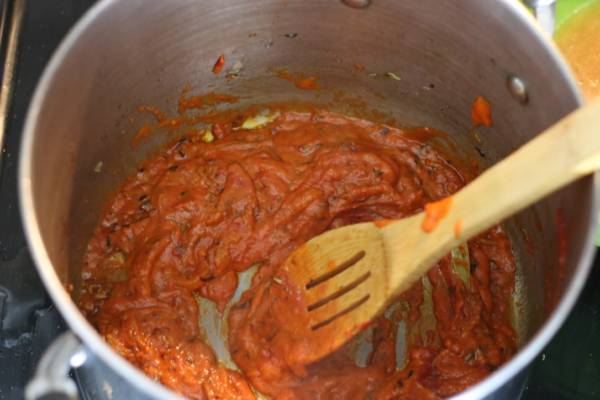
  • Place a large pot on medium heat. Heat up oil. Add in sliced onion and fry until slightly brown. Add in bay leaf, curry, thyme and white pepper. fry for a few seconds. Add in stew base and tomato paste. Cover and leave to boil for 10 minutes or until oil floats to the top.
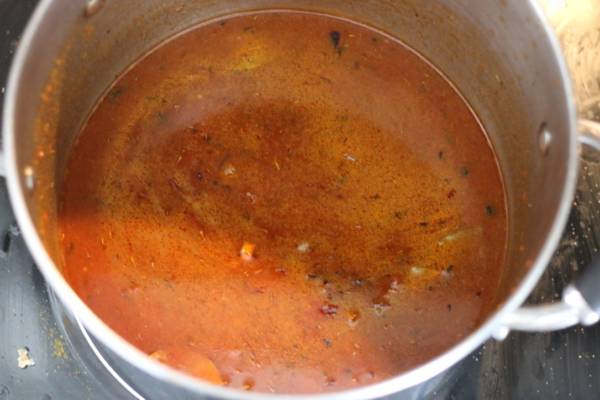
  • Season with 3 maggi cubes and salt. Add in 3 cups of water. Stir. Taste and adjust for seasoning. Cover and leave to boil for 5 minutes
  • Add in couscous. Stir. Turn off the heat and leave pot tightly covered for 10 minutes
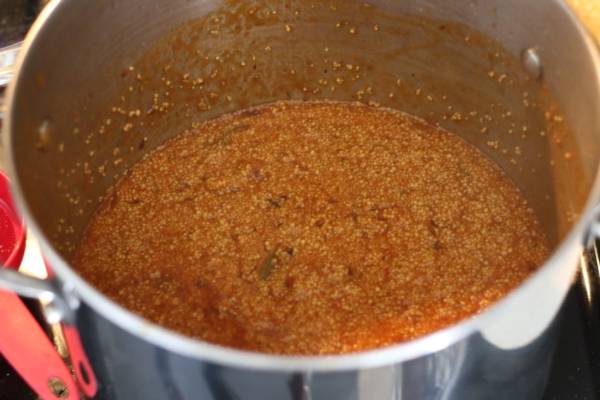
  • Gently fluff jollof couscous with a fork
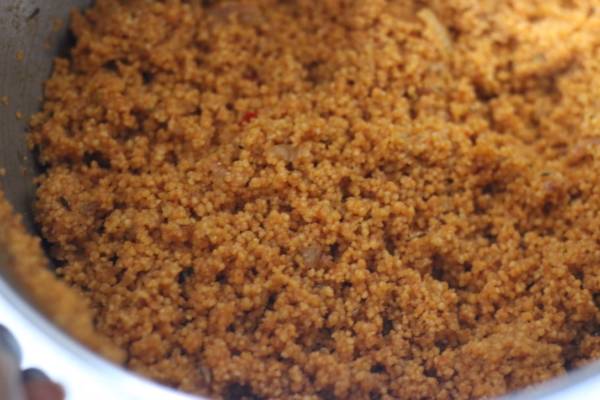
  • Add some coconut oil or butter to a large pan and heat slightly. Add in the chopped vegetables. Season with salt . Toss and leave to cook for 3 mins. Stir in fluffed jollof couscous and combine
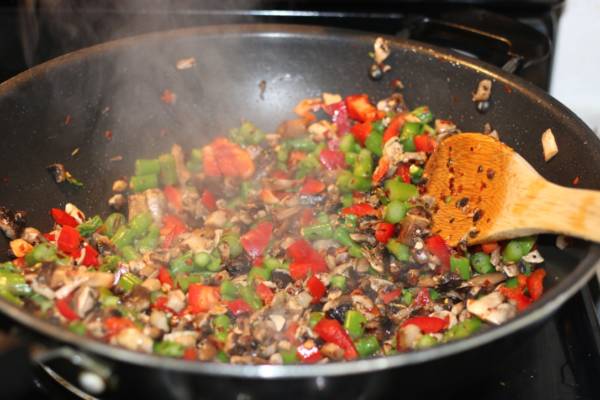

  • Fried Jollof Couscous is ready to serve.


Share:

OFE - UJUJU

How to prepare OFE - UJUJU

       Ujuju soup has its origins in the Igbo speaking part of Delta State, Nigeria. This soup is very easy to make, the only hard thing about this recipe is the leaves itself. The leaves may be a little hard to find if you don’t live in the region and the leaves cannot be substituted with another vegetable, otherwise it won’t be Ujuju Soup anymore.. ☺

              INGREDIENTS

- 1½kg Bush meat
- 1 medium size Smoked fish
- 1 medium bunch Ujuju leaves
- 1 tablespoon Dried Pepper (ground)
- 3 cooking spoons Palm oil
- 2 Maggi Cubes
- 1½ litres Water
- Salt to taste.

                 COOKING DIRECTION

1). Scrub the bush meat and smoked fish with salt to remove sand.Soak in hot water for 5 minutes. Wash and debone the fish.Cut and wash the meat, add salt, Maggi cubes and chopped onion and steam for about 15 minutes till soft.

2). Pick the tender Ujuju leaves and remove the mid rib from all the leaves. Wash thoroughly and boil for about 10 minutes, strain and pound with or without oil (or blend or grind) to a smooth paste. Set aside.

3). Pour water into the pot, add the washed bush meat, smoked fish, pepper, Maggi, Crayfish stir and allow boiling for 10 minutes.

4). Add some oil and continue cooking for another 10 minutes. Stir and add the ground Ujuju leaves. Whisk to increase resilience.Keep pot open and simmer for few minutes and add salt to taste.

5). Serve with boiled white rice or pounded yam or eba. ♨♨♨

Share:

MIYAN KARKASHI

   How to prepare MIYAN KARKASH

     Are you looking for something different to cook this weekend? An arewa inspired classic, and very rich and nutritious? We have the answer. Miyan Karkashi is a delicacy popular in the North east and North central states, it can be prepared dry as per the leaves are dried and grounded into powder and used to thicken the soup or prepared wet like the Ewedu Soup. It can be served with tuwon shinkafa, tuwon dawa or tuwon masara. Here’s what you need to make this finger licking good soup;

                  INGREDIENTS

– 6 medium pieces of Beef (cooked)
– 1 medium size Dried Fish
– 3 medium size Fresh Pepper(ground)
– 2 bunches Karkashi
– 2 cakes Dadawa
– A Pinch of Potash
– I cooking spoon Oil (optional)
– One medium size onion
– 1½ Iitres of Water
– 2 maggi cubes, and salt to taste

              COOKING DIRECTIONS

Wash and season the beef with salt, steam for about 15 minutes.

Add the fish, ground pepper and onions, Boil for about 10 minutes.

Crush the karkashi as you pour into the pot and add the potash. Whisk lightly to create a fine consistency.

Add the ground dadawa, and cook for about 10 minutes. Add maggi cubes. Stir and add salt to taste.

Serve with tuwo of your choice.

Share:

IKOKORE (WATER YAM POTTAGE)

How to prepare IKOKORE (WATER YAM POTTAGE) 

         Ikokore, also known as Ifokore, is a Nigerian Yam Pottage dish made with Water Yam (Isu Ewura) instead of the normal Puna/ White Yam. It is a pottage recipe from the Ijebu people of Ogun state, Nigeria. I’m yet to come across an Ijebu person who doesn’t love Ikokore, my mum is from Odogbolu, Ogun state and Ikokore remains a staple in our household. To really enjoy Ikokore, you’ll need to incorporate as much proteins as you possibly can to enrich it. Your best bets are Shaki, Ponmo, Chicken, Goat meat, Gizzard, Smoked Turkey, Smoked Fish, Eja Shawa, Panla, Eja Kika, the more the merrier.. 😉
          The authentic Ikokore recipe requires no blended pepper, it calls for just Scotch Bonnet (Ata rodo) and in some cases, dry ground pepper (Ata gungun) but I’m not too keen on hot and spicy dishes so I settle for Shombo (Long red pepper) instead, my mum uses this as well but my grandma says they aren’t needed but we all know Mama can tolerate pepper for Africa.

Ikokore is best enjoyed with on its own or served with Cold Pap or Cold Eba. Let’s cook….
                    INGREDIENTS
*Half Tuber Water yam
*2 Cooking spoons Palm Oil
*3 Cups Chicken or Beef Stock/ Water
*1 Shombo/Tatashe or 3 Tablespoons dry ground pepper (Atagungun)
*1-2 Scotch Bonnet (Aa tRodo)
*1-2 Smoked Fish (Eja Kika) or Shawa (Bonga fish)Shredded (Optional)
*1-2 Pieces Dried Fish (Panla) Shredded (Optional)
*2 Cups Shredded cooked Meats (I’m using Shaki and Ponmo)
*3 Tablespoons Crayfish
*1/2 Cup Smoked Prawns (Optional)
*1 Teaspoon Ogiri Ijebu (Fermented Locust Beans)
*2 Knorr Chicken Cubes of your preferred bouillon cubes
*Salt to taste.

                    COOKING METHOD

Slice your water yam into small pieces. Peel each piece then grate using the smallest part of your grater…

When you’re done grating the Water Yam, add Seasoning or Salt, 1 tablespoon Crayfish and mix together, if you can tolerate hotness, you can add some Pepper as well. Then set aside…

Blend the Shombo/Tatashe and Scotch Bonnet till smooth and set aside. If you’re using just Scotch Bonnet, just blend it on it’s own…

Get a medium size pot and place on a hob on medium heat. When it’s hot, add the palm oil, then the Locust Beans, I forgot to add my Locust Beans at this stage. Sauté the Locust Beans for a minute, then add the blended Pepper, then the Knorr Cubes and Salt to taste. If you’re using Stock, do not add salt as your stock is already seasoned…

Leave to fry till oil floats to the top. This should take 10 minutes thereabouts, stir every now and then to prevent burning…

If you’re using just Dry Ground Pepper or Scotch Bonnet (Ata Rodo), add the Ground pepper or Blended Scotch Bonnet into the palm oil and continue with the other steps, skip the pepper frying process.

Now, add the Chicken /Beef Stock if you’re using any, if you haven’t got Stock, just add water, continue to cook for 2 minutes…
Add the Shredded Cooked Meats, Fish and Smoked Prawns, any other proteins you’re using, then the Ogiri, leave to cook for 10 minutes…

After 10 minutes, remove all the meat and fish from the stew, leaving just the stew in the pot.

Turn the heat down to low, now scoop the grated yam into the stew, do this in both big and small lumps. The small lumps will dissolve in the stew, forming a mushy type consistency while the bigger lumps will create the lumpy Ikokore consistency. Do not stir, leave the contents to boil for 8-10 minutes on low heat…

Then you can stir a bit using a wooden spoon. Stir and break up clumps if you find it too clumpy or leave as it is if you don’t mind, I don’t like mine too clumpy, half and half more like. Now, taste for salt and seasoning, adjust if necessary…

Transfer the cooked meats and fish back into the pot, add the rest of the crayfish and combine gently, be careful when doing this so you don’t break the clumps…
Leave to simmer for 3 – 5 minutes and it’s ready…

Serve Ikokore on its own or with Cold Eba (Eba Tutu), the typical Ijebu way….
Enjoy!


Share:

GBEGIRI SOUP

        How to prepare GBEGIRI SOUP
 
        Gbegiri Soup: A Yoruba Delicacy
Gbegiri soup is a Yoruba (Western Nigerian) soup prepared with beans. On its own, it looks like baby food but it comes alive when you add Ewedu Soup and meat from your Beef & Chicken Stew.
          Gbegiri Soup (the yellow one in the image) takes a bit of getting used for those who are not used to eating soup cooked with beans. The combination of the Gbegiri 
Soup, Ewedu Soup and the stew will surely tease and challenge your tastebuds!. 
   
                       INGREDIENTS
*150g Black Eyed or Brown Beans
*1 small smoked Mackerel/Titus
*1 tablespoon ground crayfish
*1 big stock cube
*1 cooking spoon palm oil
*Pepper and salt (to taste). 
                   Before Cooking
1. Ensure you have some Beef or Chicken Stew because the beef for the Gbegiri Soup comes from this stew.

2. Remove the beans coat and soak the beans for about 3 hours. This soaking makes the beans soft so that it cooks in less time. This way there will be no need to use potash to cook the beans. If you are using peeled and dried beans, you will need to soak it overnight.

3. Prepare other ingredients: pound/blitz the pepper and grind the crayfish.

               COOKING DIRECTIONS
1. Put the peeled and soaked beans into a sizeable pot. Pour water to cover the beans and start cooking at medium heat.

2. While the beans is cooking, prepare the Ewedu Soup which is used to eat the Gbegiri Soup.

3. Cook the beans till they become so soft that it practically melts when you mash it with your fingers. This takes about 1 hour. You will need to top up the water from time to time but make sure the water is always at the same level as the beans. This ensures that you have just the right amount of water in the soup when the beans is done.

4. Mash the very soft beans with a potato masher. You can also blend it with your kitchen blender for a very smooth consistency. I do not like pouring the hot beans into my blender then pouring it back into the pot after blending. And it is not practical to wait for the beans to cool down, blend it and then continue cooking!

5. When you are happy with the smoothness of the beans, add the smoked fish, salt, pepper, crayfish, stock cube and palm oil.

6. Cover the pot and cook at medium heat for about 5 minutes or till the oil blends with the rest of the ingredients. This is when the oil changes from red to yellow.

7. Stir from time to time so it does not burn.

8. That's it! The Gbegiri Soup is done.

Dish the soup with Ewedu Soup, get the meat from your Beef & Chicken Stew and eat with Amala or any other Nigerian fufu meal .


Share:

BITTERLEAF SOUP (OFE ONUGBU)

      How to prepare BITTER LEAF SOUP

       Bitterleaf soup – Ofe onugbu (as the Igbos like to call it) is very delicious and also comes third on my list of Nigerian popular soups.
This soup is popular because it could be made in more than five different ways and can also be refrigerated for a very long time (even though I recommend two weeks at most for most Naija soups).
         This soup can be made with either egusi (melon seeds), ede (cocoa yam), ofor, achi or even ogbono.
         Bitter leaf soup, like most other Nigerian soups is named after the particular leaf which is used in preparing it. But of course you need to wash this leaf to remove at least ninety percent of the bitter taste, just so you don’t end up with a very bitter soup.
          
                        INGREDIENTS

 2kg Meat of choice (beef, chicken, pork, turkey)
 Bitter leaf (wash to desire)
 Half cup of ground Crayfish
 Maggi or knorr seasoning (3 cubes
 Ogiri (a product of castor seeds)(optional)
 Dry fish (2 medium sizes)
 Stock fish head (1 big size)
 Palm oil (about 25cl)
 Salt and pepper to taste.
 Cocoa-yam (pounded). 
The bitter leave soup takes almost the same process as the making of uha soup, as a matter of fact, one pot of soup could be cooked up to the point of adding the leaves then you divide it to add uha to one and bitter leaf to the other.
       
                  COOKING METHOD
Bitter Leaf Soup Preparation

To soften the leaves and further remove the bitter taste, it is advisable to boil alone in ordinary water for 10 to 15 minutes, most people like to add a little quantity of edible potash to hasten this process but I highly advise against it. My reason being that this catalyst (potash) tend to affect the entire soup in a slightly negative way.

If you still want to add potash, it will completely wash off the bitter taste and soften the leaves in less than 3 minutes of boiling (the reason most people like using it), but then you would want to boil again alone and wash thoroughly with just water to remove every trace of the potash.

Parboil meat with every necessary ingredients, use 3 cube of maggi or knorr, a teaspoon of salt and half cup of onions. Allow to boil for 10 minutes then add water and cook till the meat is tender.

Add the (hot-water) washed dry fish, stock fish and cook until it is tender, add more water then add palm oil, ground crayfish, pepper, maggi seasoning, salt and pepper to taste. Stir and allow to boil.

At this point it should give a good soupy taste (even though it would be watery). Then add the pounded cocoa yam as you can find in the video below (at this point you can add the ground egusi if you choose to make bitter leaf soup with egusi), also add the ogiri now.

Cook till the cocoa yam dissolves, (this would likely take about ten minutes) then add the bitter leaves, stir, taste, add more salt if necessary then cook for three to two minutes and you are done with the making of Nigerian Bitter Leaf Soup (Ofe Onugbu)

Either of these five can go along with it – Eba, Fufu, Semo, Wheat or pounded yam


Share:

RIVERS STATE NATIVE SOUP

How to prepare RIVERS STATE NATIVE SOUP 

         River state native soup is one of my favorite Nigerian soup, it happens to be my favorite native soup.
You can follow either my written instruction or the embedded video at the bottom of the page, I make videos for the majority of my recipes on this site.
I grew up in River state Nigeria, did both my primary and secondary education in a very popular part of the state. During this time, I tasted almost every indigenous food and also learned to make quite a number of them. The good thing is that they share similar recipes with the Igbos.
So if you are dating an Ikwerre guy or married to a man/woman from River State Nigeria you can go ahead and serve him/her some of our Igbo foods on this page.
Let’s get back to the topic of the day, River state native soup… here goes… Gbam!!!
          Frankly, I can’t give a detailed account of the origin of this soup but what I do know is that it is very popular in River state and it is served in major restaurants and eateries. Although, they avoid some of the expensive ingredients like stock fish, ngolo and shrimps.
For some reason I just like to try new recipes once they appealed to me, I like to ask questions and try them out in my own kitchen, that is perhaps the reason I have learned to make virtually all the Foods Eaten In Nigeria.
       
                INGREDIENTS
         1KG of meat
 10 pieces of stock fish ear (nti okporoko)
 2 cups of sliced uziza leaves
 2 medium size dry fish
 Cocoa yam as thickener (see image)
 15-20cl of palm oil
 2-3 cubes of maggi or knorr
 1-2 cups of periwinkles
 1-2 cups of ngolo
 1 cup of ground crayfish
 Salt and pepper to taste.
 two handful of fresh prowns
 2 spoons of ofor (alternative thickener)
       The cocoayam should be about 1KG, the ofor serves as alternative thickener (incase the cocoayam didn’t thicken the soup), in most cases, you wouldn’t use it (the ofor)
                       PREPARATION

You might wanna start by parboiling the shrimps, wash and parboil with a small pot, add half cup of water, a cube of maggi and a pinch of salt, allow to boil for up to 5 minutes, remove the head and set aside in a clean plate.

STEP 1
I like to start by parboiling the meat with all the necessary ingredients, most cooks forget that parboiling the meat and obtaining the stock (water left after parboiling) is an important part of Nigerian cooking process.
I like to parboil the meat with just 2 cubes of maggi, 1 bulb of onions, salt and maybe a sachet of onga classic (a very popular Nigerian spice for soup). My choice of meat is hard to cook, takes about 50-60 minutes before you commence with the rest of the cooking.

Step 2
Use this time to prepare the other ingredients; wash and slice the uziza leaves.
Soak the stock fish and dry fish with boiled water and wash thoroughly to remove sand and center bone. Grind the crayfish and fresh pepper also, you can grind together or grind separately.

Step 3
Add the washed dry fish/stock fish in the boiling meat on fire, after about 30-50 minutes of cooking just the meat. Once they are soft and the water is almost dried (about 1 cup left) add about 5-7 cups of water, palm oil and the ground crayfish. This step was visually demonstrated in the video below, so if you like watching better than reading you can scroll down to see the video.
Allow the soup to cook for another ten minutes before adding salt to taste, a cube of maggi. Maggi is a natural food sweetener, used in making almost all the {foods eaten in Nigeria} you can refer to our
ingredients catalogue for an in-depth understanding of all the ingredients used in making Nigerian foods.

Step 4
Add the washed/cleaned ngolo, stir, add the cocoayam, allow to dissolve in 8-10 minutes, if it is still very watery you can add a spoon of ofor, cook for three minutes before adding the periwinkles, prown and sliced uziza leaves which is likely the last ingredient while making River state native soup.
Allow to simmer for another five minutes and you just made Nigerian’s most popular native soup.


Share:

OHA SOUP

              How to cook OHA SOUP

      Ora (Oha) soup is native to the South Eastern Nigeria. It is a very traditional soup similar to the bitterleaf soup but cooked with Ora leaves. Ora (Oha) Soup is special because the tender ora leaves used in preparing this soup recipe are seasonal unlike their bitterleaf counterpart which can be found all year round.
         Though it is only the vegetable that distinguishes the Ora Soup and the Bitterleaf Soup, they taste so different that it is hard to believe the difference just one ingredient can make in a recipe.
                    
                            INGREDIENTS

  *  Vegetable: Ora leaves
*8 small corms cocoyam
*3 cooking spoons Red Palm Oil
*Assorted Beef: Includes best cut, shaki (cow tripe)
*Assorted Fish: Dry Fish and Stock Fish
*Chilli pepper, salt and crayfish (to taste)
*2 Stock cubes
*1 teaspoon Ogiri Igbo
               
       Before you cook OHA SOUP

  1. Grind the crayfish and pepper and set aside.
2. Wash and boil the cocoyam corms till soft. Remove the peels and use a mortar and pestle to pound the corms to a smooth paste.
3. Using your fingers, cut the Ora (Oha) leaves into tiny pieces. This technique is to prevent the vegetable from becoming darker in colour. This happens when you cut the ora leaves with a knife.
           
                        Cooking Method
1. Boil the shaki (cow tripe), stock fish and dry fish in 1 litre of water till they are well done. First sign of a done shaki is that the cuts will start curling on itself.

2. Wash the beef and add to the pot of shaki etc. and continue cooking. When the meat is done, add 2 stock cubes and cook for 5 minutes.

3. Add the pepper, ogiri Igbo and ground crayfish and cook for 10 minutes. Add the cocoyam paste in small lumps and then the palm oil.

4. Cover the pot and leave to cook on high heat till all the cocoyam lumps have dissolved. You can add more water if you feel that the soup is too thick.

5. Add the ora (oha) leaves and leave to cook for about 5 minutes.

6. Add salt to taste, stir and the soup is ready!
Serve with Garri (Eba) , Semolina Fufu , Amala,
Cassava Fufu or Pounded Yam .


Share:

OFE ACHARA

         How to Prepare OFE ACHARA 
     
         Achara soup is very delicious and tasty. It is very rich and has nutritional value. This soup is indigenous to the people of Umuahia, Abia State (South-Eastern Nigeria), however, you must not come from this town before you enjoy this soup. It’s extremely delicious and definitely adaptable to any palette.

                      INGREDIENTS
- 1kg Beef
- 1 medium size Stockfish (Okporoko)
-  Snails
- Dry fish ( ike azu mbasa or mangala)
- 2 medium bunch Achara
-  Shredded Okazi leaves – fresh or dry
- 2 cups of Egusi (melon)
- 1 or 2 tablespoons of Usu – white chalk like substance NOT Potash
- 2 tablespoons Achi (ground)
- 1½ tablespoons Dried pepper (ground)
- 2 cooking spoons Palm oil
- 1 tablespoon Crayfish (ground)
- Periwinkle (Isam)
- 2 stock cubes
-  Water
- Salt to taste.

                    COOKING METHOD
1. Cut the Achara leaves as normal and set aside, Boil your meat with a lot of stockfish and dry fish. You need to get a very rich stock out of boiling your meats because you should not have to add seasoning cubes and possibly salt when you start cooking the soup.

2· Making the Mgbam. You can use traditional way by using a mortar and pestle or use your hand pour in the egusi in a sizeable bowl follow the same process when using a mortar.
Inside the mortar, add the ground egusi, ground Usu, you can blend the whole egusi seeds with usu, dry pepper/fresh pepper and salt. Start to pound with the pestle until the egusi gets compacted, then you add hot water. Roughly about 2 tablespoons. The hot water is to aid the release of the natural oils from the egusi. Keep pounding until you begin to notice the egusi form into a dough-like paste. Keep pounding, and the egusi will become even more oily. When the mortar comes off clean, that means you are done.

3· Pour out the egusi in bowl and start molding, Squeeze portions of the dough in your palm and squeeze out the oil until the egusi dough starts to feel dry. Pinch the dough, flatten and manoeuvre with your thumb, index and middle finger into an oval shape. Repeat till you finish molding.

4· Fill a big pot half way, add palm oil and begin to boil. Drop in the mgbam I mean the egusi (melon) you just molded and let it boil until it turns completely white. This would take quite some time and you would need to top up the water again. You will know the mgbam has cooked completely when it is also white inside when you bite into it.

5· Take out the mgbam from the pot and transfer into another boiling pot containing assorted meats, shredded stockfish, isam, dry fish, palm oil and fresh pepper and achara (if you are using). This is a rich stock that forms the base of your soup. The flavour of the stock should have a deep robust flavour. If you are not quite there yet, add a tablespoon or 2 of ground crayfish, leave to boil for about 2 minutes and it should do the trick.

6· Allow the mgbam to boil in this stock for 5+minutes to absorb the flavours in the pot. Mix 1 tablespoon of crayfish with 1 tablespoon of achi powder. The crayfish is needed to prevent the achi from forming lumps. You only need a little achi to thicken the soup, because ofe okazi is not a thick soup at all.

7· Add the achi-crayfish mix to the pot and stir quickly. Leave it to cook for about 5 – 7 minutes to thicken the soup. If you have never cooked with Achi before, a little caveat. It would look at first as if the soup is not getting any thicker. DO NOT be tempted to add more. That is a rookie's mistake, and you may end up with a thick globby mess, before you get the hang of it. Give it some time and the liquid stock you started with would get thicker and take on a pleasant light yellowish orange colour.

8· The last you will add is the shredded Okazi leaves to the pot, stir together allow it to boil up to 2-4minutes, take off the heat.

9. Serve the Achara soup with Amala, Elubo, Pounded yams, Fufu (akpu), Eba (garri) or Tuwo Shinkafa


Share:

OFE UGBA (Oil Bean Soup)

              How to prepare OFE UGBA
      
        Ofe Ugba is a soup from the native Imo and Abia states of Nigeria. Don’t think it’s rocket science to prepare Ofe Ugba, it is simply Okra Soup cooked with shredded oil beans. You can call it Ofe Ukpaka or Shredded Oil Bean Soup.
         
                       INGREDIENTS
 *20 okra fingers
*1 cup of Ugba (milk cup is ok)
*2 pieces dry fish (dry catfish or
mangala fish)
*2 pieces stockfish (dry cod fish)
*1 smoked mackerel (smoked Titus fish)
*2 cooking spoons Famili Quality palm oil
*Habanero pepper ( atarodo, oseoyibo, atarugu : to taste)
*1 handfulcrayfish
*1 piece of ogiriokpei (dawadawa, iru)
*1 onion
*Garden egg leaves (alternative: spinach)
Salt (to taste)

                  COOKING METHOD

1. Place the stockfish in a pot, add some water and start cooking. Add water in small amounts and top up when necessary because you want as little water as possible in the pot when done. I use a pressure pot to cook stockfish, softens in no time.

2. When the stockfish is soft, use the cooking spoon to break it into small pieces.

3. Add the dry fish, Ugba, crayfish and
ogiriokpei, pepper, onions, smoked fish, salt and palm oil. Cover the pot and continue cookingon high heat. Stir often so it does not burn.

4. After about 5 minutes, add the leafy vegetable and okra, stir and add salt if necessary. You want as small quantity of water as possible in the soup before adding the vegetable. I used leafy spinach, watch the video below to see how I pre-prepared the leafy spinach before adding it to the soup.

5. Take the pot off the stove and transfer to another container immediately so that the green vegetables stay green.
Serve Ofe Ugba with your favorite Nigerian
swallow: Eba (Garri),Semolina, fufu ,
amala or pounded yam.
Share:

Advert

Photography

About Us

authorHello, my name is Jack Sparrow. I'm a 50 year old self-employed Pirate from the Caribbean.
Learn More →

Popular

Powered by Blogger.

Wikipedia

Search results

Latest News

Chicken and potato casserole

  Seasoned chicken and potatoes bake together in this incredible Loaded Chicken and Potato Casserole. It’s topped with bacon, cheese and gre...

Contact Form

Name

Email *

Message *

Post Top Ad

LightBlog

Search This Blog

Post Top Ad

Your Ad Spot

Archive

Post Top Ad

Your Ad Spot

Sponsor

test

Beauty

Comments

Recent Posts

Theme Support

Need our help to upload or customize this blogger template? Contact me with details about the theme customization you need.